Craft
In Praise of Marginalia
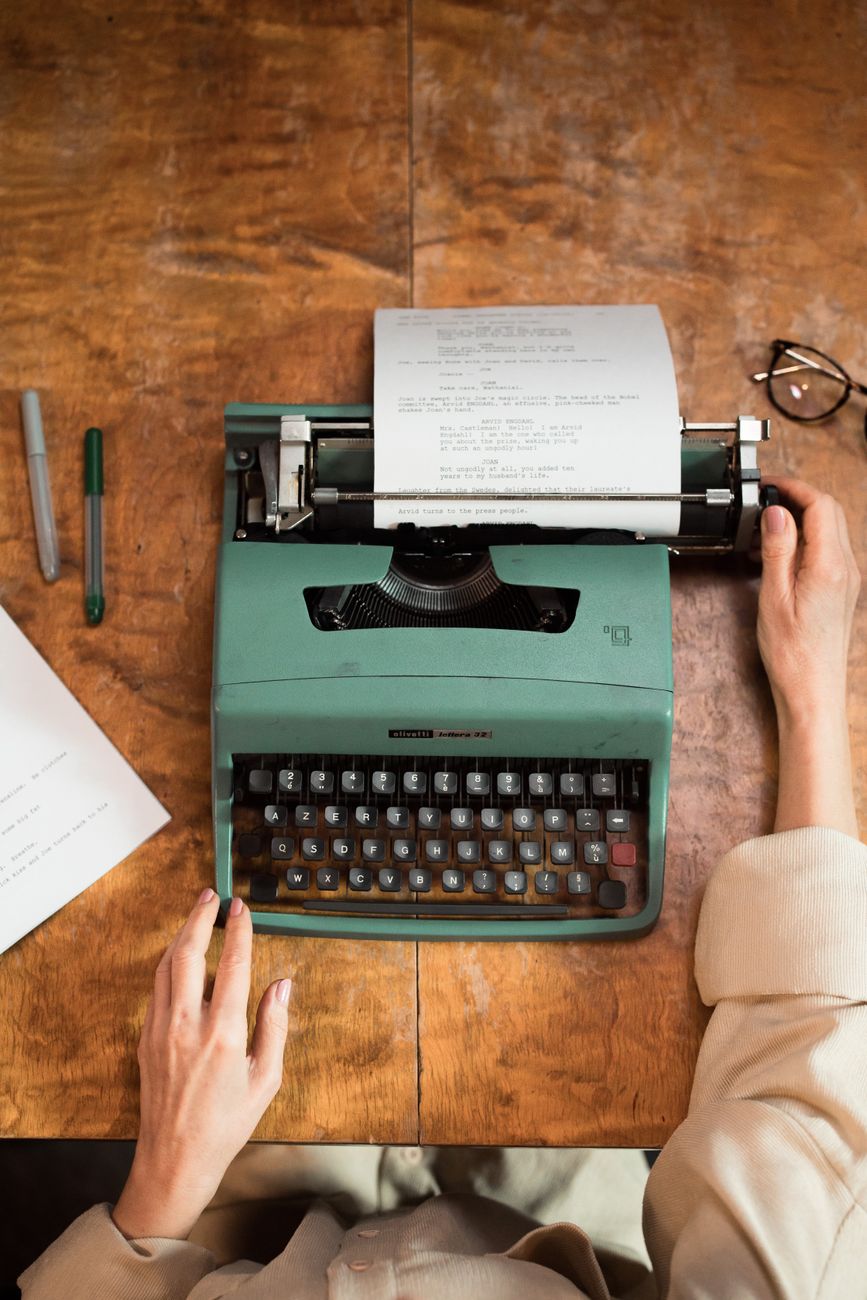
Three obsessive annotators on pens, systems, and the notes they will never erase.
Marginalia is a conversation across time. From Coleridge's furious footnotes to your grandmother's pencilled stars, the notes we leave behind are a second book inside the first.
We interviewed three annotators — a poet, a judge, and a teenager — about their systems, their pens, and the one note they will never erase.
A Pencil, Not a Verdict
The poet keeps a soft pencil tucked into every coat pocket. She marks a line when its rhythm catches in her ear, then writes a single word beside it: “again.” The judge underlines only what changes his mind; he says a margin should hold a question, not a summary. The teenager gives each color a job — yellow for surprise, blue for a sentence worth borrowing, graphite for everything she is still arguing with. Their systems differ, but each begins with the same small permission to respond.
We asked what makes a mark worth leaving. The answers were less about study than memory: a phrase that recalled a kitchen, a character who made a bad choice for a familiar reason, a passage that sounded different after a difficult year. Notes are not proof that we understood every page. Often they record the moment we stopped pretending to understand and began paying closer attention. A quiet question in the margin can be a more honest companion than a tidy explanation.
Leave Room for the Next Reader
There is tenderness in opening a used book and finding another person's small astonishment. A pencilled star says that someone paused here; a date or a name gives that pause a season and a life. We do not need to know who they were to feel the company. The page has carried their attention forward, and now it makes room for ours. That is why our staff marks lightly: the next reader should be able to disagree, add a thought, or let the line pass untouched.
If you are new to annotating, start with a pencil and one honest mark. Circle a word you want to keep, jot a question you cannot yet answer, or write the name of the person you wish could read the page beside you. No system needs to be permanent; even a blank margin is a choice. The best notes are not decorations but small evidence of a mind meeting a book, and the conversation can continue whenever the cover opens again.

A pencil mark is a small record of attention, left for a future reader to find. The next time a sentence stops you, leave a trace of the conversation.